The Need to Quiet the Giver:
The celebrity response to the Afghanistan humanitarian crisis and an enduring cycle of selfishness
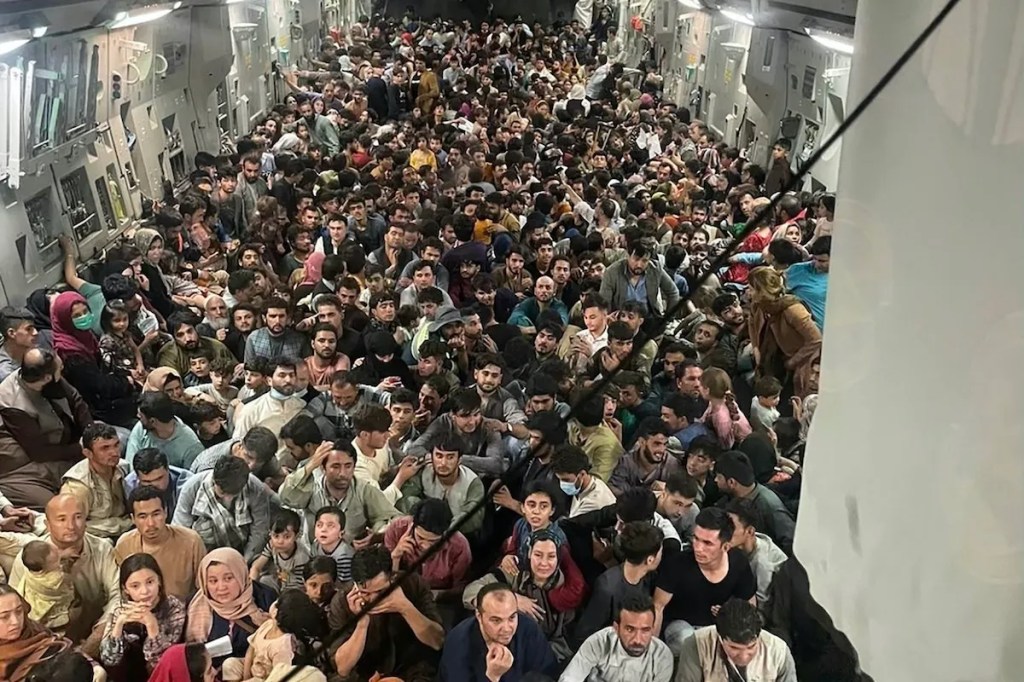
The history of humanitarianism is not one that is widely discussed. The word “humanitarian” seems to get thrown around when the true reality and weight of the word is not understood. More importantly, it is not the word itself, but the actions behind the word that are too often treated carelessly and negligently as a result of perpetuated frameworks and a weak base for the world that is humanitarianism. For the purposes of this paper, humanitarianism will be defined as a systematic response to the suffering of others from a non-governmental institutional and professional level. Taking into account this definition, the history of humanitarianism reveals several repetitive frameworks that humanitarian actors still utilize today. Amongst these frameworks are the “do no harm” thesis, the choice of a humanitarianism approach over a human rights approach, and the use of celebrity ad campaigns. Such frameworks allow humanitarian institutions, like the Save the Children foundation, to serve themselves more than they serve those in need of aid. Particularly, the use of media campaigns by many aid organizations seems to be a vehicle for institutions to promote themselves more than promote the needs of the receivers of aid.
Since Henry Dunant’s accidental launch of the humanitarianism industry in the 1850s, humanitarianism has not truly evolved despite different generations of humanitarians. From Imperial Humanitarianism to Neo-Humanitarianism, and most recently, to Liberal Humanitarianism, one thing seems to remain constant amongst each era: a self-interested, intrinsic motivation to help. This motivation materializes in the frameworks of humanitarianism. In an effort for self-promotion and shaping their own narrative, institutions deliberately use celebrities to lead their ad campaigns. Although the perceived attention is to use culturally influential figures to engage populations with humanitarian crises abroad and domestically, the result is the silencing of the voices that need it the most and the bolstering of those voices that already have the power.
As long as aid organizations focus their humanitarian campaigns on the giver, especially the celebrity giver, rather than the receiver of aid, humanitarianism will be caught in a cycle of selfishness, greed, and perpetuating a savior complex as seen through the media response to the Afghanistan refugee crisis.
The Research Questions
The following are the guiding research questions for this paper and analysis:
- What are the effects of the hyper-celebritization of aid on the Afghanistan humanitarian crisis?
- In what ways are the voices of the Afghanistan receivers of aid being silenced by humanitarian givers of aid?
- Is it possible to rectify the silencing of receivers that humanitarian aid so often perpetuates?
 Humanitarianism Final